Surrey Child and Family App Logo

Download our new Lancs Child and Family app!

Our new family-focused app gives lots of information and advice.

Download our app
Current Vacancies
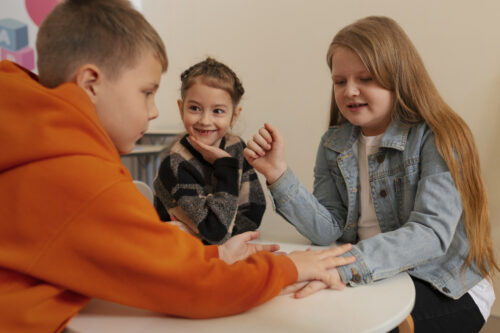
Children sitting together at a table during a group activity. Children sitting together at a table during a group activity.

Help with daytime wetting

For:

Daytime wetting is more common than many people realise and can affect children, young people and families in different ways. It can affect your child’s confidence and daily life. It is not your child’s fault, and support is available to help manage it. This page explains why daytime wetting may happen, what you can try and where to find more help.

More about help with daytime wetting

Daytime wetting is when a child accidentally wets themselves during the day after the age they would normally be expected to be toilet trained. It is a common problem and can affect a child's confidence and daily activities.

There are many reasons why a child may wet themselves during the day. Some children put off going to the toilet or do not empty their bladder fully. Daytime wetting can also be linked to constipation, a urine infection or an overactive bladder. An overactive bladder can cause a sudden and urgent need to wee.

A health professional can help find the cause and suggest what to try next. Things that may help include regular toilet visits every 2 to 3 hours, drinks throughout the day and treating any constipation. Fizzy drinks and drinks with caffeine may make bladder problems worse. Some children may benefit from medicine for daytime wetting. A health professional can advise whether it is suitable for your child.

Questions and answers

My child still wets during the day. What can I do?
If your child still wets during the day, encourage them to have around 6 drinks, spread evenly throughout the day. Each drink should be about 250 to 350ml. Constipation can make daytime wetting worse. Speak to a health professional if you think your child may be constipated. A health professional can help find the cause of the wetting and explain what support may help your child.
How can I help my child with additional needs use the toilet?
Children with additional needs may take longer to learn to use the toilet. Many children can make progress with time, practice and support. Start with a regular routine. Give your child time to practise and repeat each step. Keep the approach calm and positive. Use words, pictures or routines that work well for your child. If you need more help, your local health team can explain what support may be available for your child.
What should I do if I think my child is constipated?
Speak to a health professional if your child has fewer than three poos a week, has hard or painful poos, gets poo in their pants or tries not to poo. Your GP can check what is causing the problem, suggest treatment and arrange more help if your child needs it.
Should school follow the same toileting plan we use at home?
Using the same toileting routine at home and school may help your child. Share your child’s toileting plan with their school. Tell staff which routines, toilet times, words and reminders work well at home. Using the same approach may help your child feel more confident.
How do I start toilet training my child?
Make the potty or toilet a normal part of your child’s day. You could encourage them to sit on it after meals or before a bath. You do not need to wait for specific signs that your child is ready before you start. You can gently introduce the potty or toilet from around 18 months.

Services that can help

Back to top Quick exit
Lancashire Child and Family
Privacy Overview

This website uses cookies so that we can provide you with the best user experience possible. Cookie information is stored in your browser and performs functions such as recognising you when you return to our website and helping our team to understand which sections of the website you find most interesting and useful.